About Semi Automatic Jaggery Plant
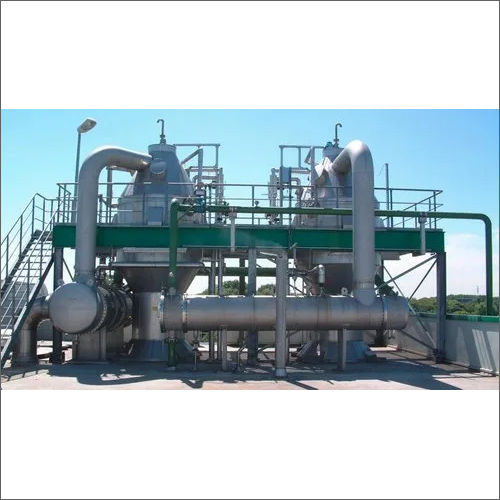
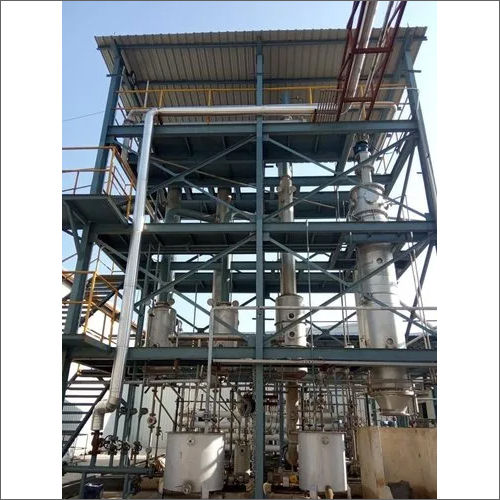
Our range of Semi Automatic Jaggery Plant is at par with international standards of quality. Our offered plant is manufactured under the guidance of skilled professionals with the help of premium quality components and contemporary technology. It is highly demanded in the sugar industry for the conversion of sugarcane juice into sugar. We offer this Semi Automatic Jaggery Plant in different capacities and can be customized as per the application requirements of the clients.
Specification
| Usage/Application | Jaggery making |
| Type Of End Use | Commercial |
| Maximum Power | 8HP |
| Capacity | 2 Ton/hour |
| Yield | 500 ml/kg |
| Voltage | 380V |
| Frequency | 50 Hz |
| Automation Grade | Semi- Automatic |
Our semi-automatic jaggery plant strikes the ideal balance between manual oversight and mechanized efficiency. It empowers operators to manage key processes, aided by frequency speed control, which optimizes output while maintaining consistent product quality. The electric drive ensures smooth and energy-efficient functioning, making it suitable for medium-sized production units.
Stainless Steel Durability and HygieneConstructed from premium-grade stainless steel, this plant resists corrosion and offers easy cleaning for enhanced food safety. Its robust construction guarantees a long operational life, even in rigorous working environments. The material choice ensures that the jaggery produced is of high purity and meets stringent hygiene standards.
Versatile Applications Across IndiaAs a trusted exporter, manufacturer, supplier, and wholesaler based in India, we supply this plant to clients nationwide and beyond. Its semi-automatic nature makes it suitable for jaggery producers looking to modernize their operations without full automation. The plant's design caters to various scales of jaggery processing, supporting diverse business models.
FAQ's of Semi Automatic Jaggery Plant:
Q: How does the semi-automatic jaggery plant operate without computerization?
A: The plant relies on frequency speed controls and an electric drive for regulating processes, rather than computerized or digital systems. Operators manually monitor and adjust parameters, allowing effective control over production while minimizing complexity.
Q: What materials are used in the construction of this jaggery plant?
A: The plant is manufactured using high-quality stainless steel, chosen for its durability, resistance to corrosion, and ease of cleaning. This ensures hygienic processing and longevity even during continuous operation.
Q: When is it ideal to choose a semi-automatic jaggery plant?
A: A semi-automatic plant is best suited for producers seeking an upgrade from manual methods but not requiring full automation. It is ideal for small to medium-scale operations aiming for consistent quality with manageable investment.
Q: Where can this jaggery plant be installed and used?
A: The plant can be installed in various settings, including agro-industrial zones, rural jaggery workshops, and medium-scale production units. As an Indian exporter and supplier, we provide support for delivery and installation across India.
Q: What is the process involved in producing jaggery with this plant?
A: Sugarcane is fed into the plant, where the juice is extracted, filtered, and boiled in stainless steel vessels. The frequency speed control manages the boiling and stirring, and the semi-automatic operation allows manual oversight at key steps for quality assurance.
Q: How will using this semi-automatic jaggery plant benefit my business?
A: The semi-automatic jaggery plant reduces manual labor, boosts productivity, and ensures consistent product quality. Its reliable construction and customizable speed control help improve operational efficiency and cost-effectiveness compared to fully manual setups.
Q: What types of control systems are included in the plant?
A: The plant features a frequency speed control system, allowing for adjustable speed settings during operation. This flexibility supports precise management of processing stages without needing computerized controls.





 Send Inquiry


 Send Inquiry


